How to Build an Email List from Scratch in 2026 (Without Buying Lists)
October 12, 2026
Quick answer
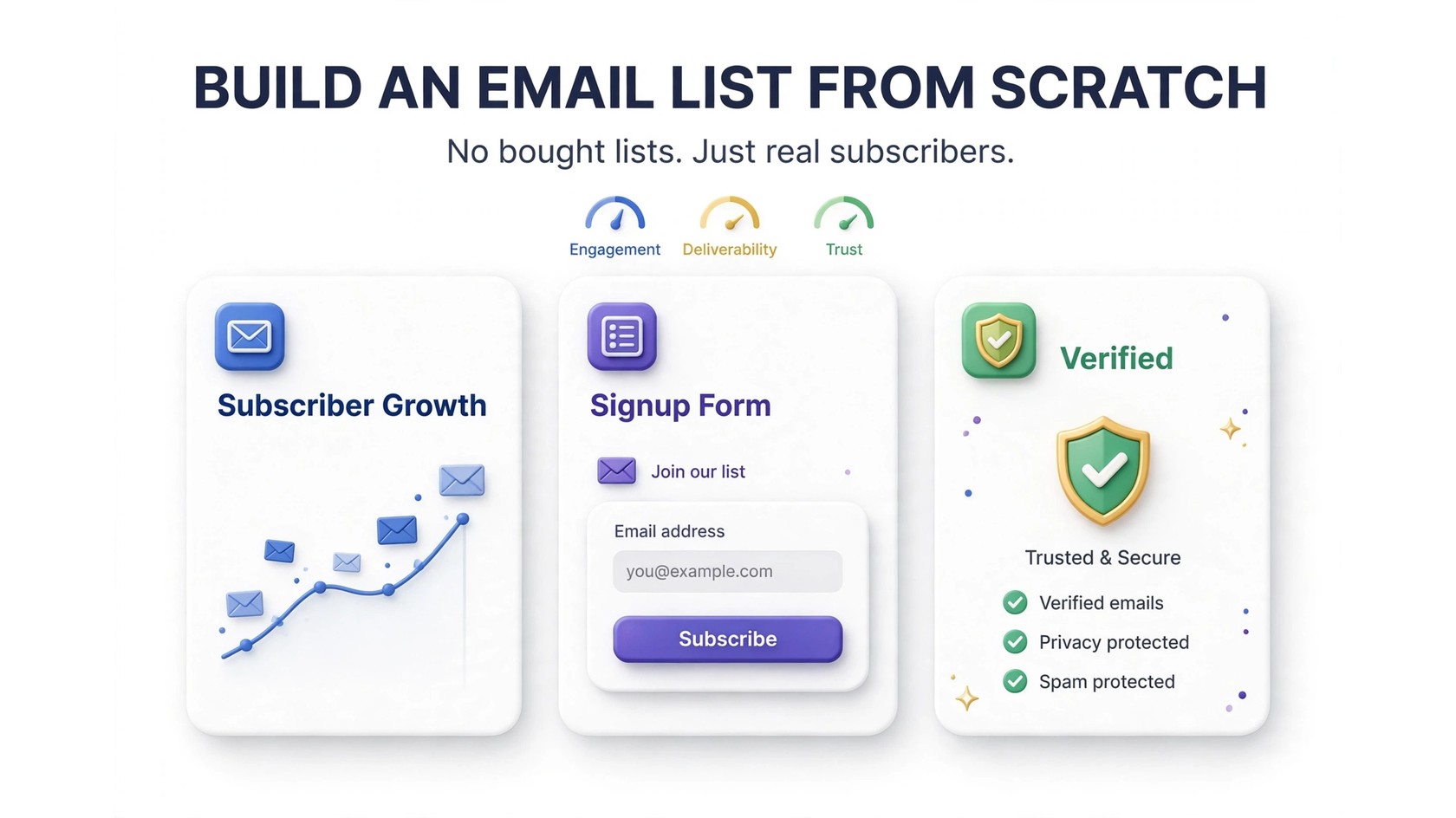
If you want to learn how to build an email list from scratch, the short version is this: offer something genuinely useful in exchange for an email address, make signing up effortless, confirm every subscriber with double opt-in, and verify each address before it enters your list. No bought lists, no scraped contacts, no shortcuts.
This guide walks you through the full process step by step: choosing the right lead magnet, placing signup forms where visitors already spend time, keeping every new address clean from day one, and growing steadily without hurting your deliverability. Follow it and you will have a list of real people who actually want to hear from you.
Why buying an email list is never the answer
Every list-building guide has to start here, because the temptation is real. A vendor offers you 50,000 “verified” contacts in your niche for a small fee, and building organically sounds slow by comparison. But bought lists are one of the fastest ways to destroy your sender reputation before you even get started.
People on a bought list never asked to hear from you. They do not open, they mark you as spam, and some of those addresses are spam traps that get you blocklisted. Mailbox providers notice all of this within your first few sends, and once your domain reputation tanks, even your legitimate subscribers stop seeing your emails. If you are new to these concepts, our guide on what email verification is explains how address quality connects to inbox placement.
There is also a legal side. Regulations like GDPR and CAN-SPAM require consent, and sending to people who never opted in can create real liability. Organic list building is slower in week one and faster in month six, because every subscriber actually wants your emails.
Start with a lead magnet people actually want
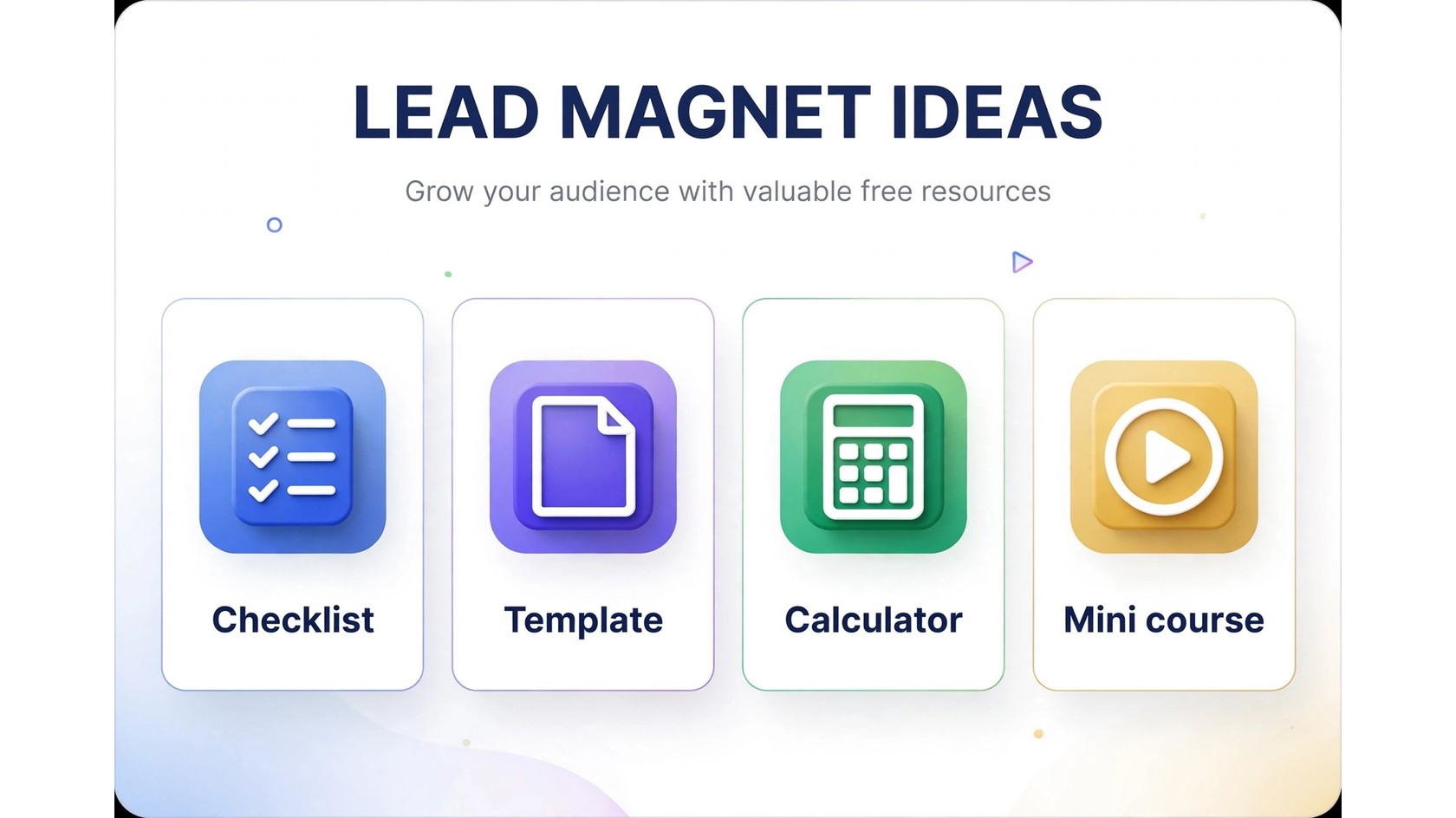
A lead magnet is the ethical bribe at the heart of list building: a useful free resource offered in exchange for an email address. The best ones solve one specific problem in one sitting. A 40-page ebook sounds impressive but a one-page checklist, template, or calculator usually converts better because the value is obvious in seconds.
Match the magnet to the audience you want. A B2B software company might offer a cold email template pack or an ROI calculator. A fitness coach might offer a 7-day meal plan. The test is simple: would your ideal subscriber thank you for it even if they never buy anything? If yes, it will pull signups. If it feels like filler, visitors will scroll past the form.
Deliver the magnet instantly and automatically. When someone signs up, the first email should arrive within minutes with the download link, no manual steps on your end. Speed matters because the subscriber’s interest is highest at the moment of signup, and a fast first touch sets the tone for everything after.
Put signup forms where visitors already are
You do not need more traffic to start building a list, you need to convert the traffic you already have. Audit every page that gets visitors and ask where a signup form would feel natural rather than intrusive. Blog posts, the homepage hero, the about page, and high-traffic resource pages are the usual winners.
Keep the form short. Every extra field cuts conversion, so start with email address only and add a first-name field later if you truly need personalization. The form should state exactly what the subscriber gets and how often you will email. “Get the weekly teardown, every Tuesday” beats a vague “join our newsletter” because it sets a clear expectation.
Do not rely on a single form. Use a mix: an inline form inside popular articles, a subtle slide-in for engaged readers, and a dedicated landing page you can link from social profiles and guest posts. Test one change at a time, form copy first, then placement, so you know what actually moved the needle.
Use double opt-in to keep your list clean from day one
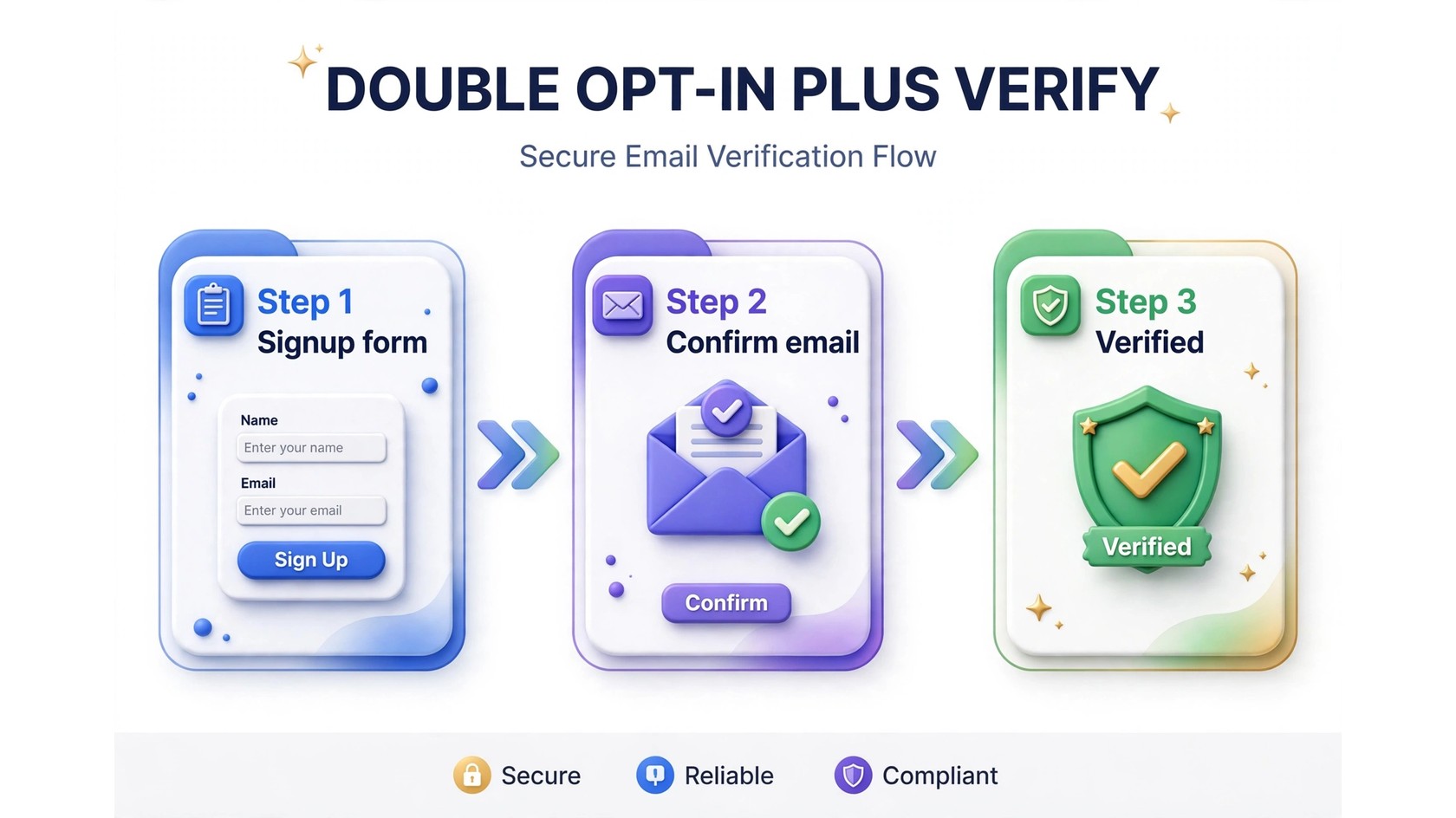
Double opt-in means a new subscriber has to click a confirmation link in an email before they are added to your list. It adds one small step, and it filters out typos, fake addresses, and bot signups before they can do any damage. For a brand-new list, that protection is worth more than the handful of subscribers who never click the link.
Make the confirmation email impossible to miss. The subject line should say exactly what to do, something like “Please confirm your subscription,” and the email body should have one big, obvious button. Most subscribers confirm within minutes when the email is clear, so do not overthink the design, clarity beats branding here.
Single opt-in grows a list faster on paper, but the extra addresses are usually lower quality: misspelled domains, role addresses, and people who typed carelessly. When deliverability is the goal, and it should be, since deliverability terms decide whether your emails reach the inbox at all, double opt-in is the safer default for a list built from scratch.
Verify every address at the point of signup
Even with double opt-in, some bad addresses slip through: catch-all domains, disposable emails, and addresses that go dead weeks after signup. Verifying each address at the moment of signup, through a real-time check on your form or a bulk check right after import, stops these from ever entering your sending list.
This is where a verification step earns its keep. A quick syntax and domain check catches typos, while a deeper mailbox check confirms the address can actually receive mail. According to independent roundups like Sender.net’s email verification guides, combining signup-time checks with periodic re-verification is the standard practice for keeping bounce rates low.
Think of verification as insurance for your sender reputation. Every hard bounce tells mailbox providers your list hygiene is sloppy, and a new domain has no reputation cushion to absorb those hits. For current plans, see PureListVerifier pricing, and run every new batch through a check before your first campaign goes out.
Send a welcome sequence that earns the open
The welcome sequence is the most-read email series you will ever send, because it arrives when interest is at its peak. Plan three to five emails: the lead magnet delivery, a short introduction to who you are and what subscribers get, one genuinely useful tip with no pitch, and then a soft introduction to your offer.
Space the emails over the first week, not the first day. One email immediately, one the next day, then every two to three days. This rhythm builds familiarity without overwhelming a new subscriber, and it gives you early engagement signals: opens and clicks in the welcome sequence predict long-term engagement better than almost anything else.
Watch the first-send metrics closely. If welcome emails land in spam or get ignored, fix the problem now while the list is small. Our guide on sudden open-rate drops covers the usual culprits, and most of them are easier to fix on a list of 500 than on a list of 50,000.
Promote your list everywhere without being annoying
Your signup form can only convert visitors who see it, so give people more chances to find it. Add the link to your email signature, your social media bios, and the end of every guest post or podcast appearance. If you create content regularly, mention the lead magnet naturally inside the content itself, not just in a sidebar banner nobody notices.
Partnerships scale this faster than solo effort. A newsletter swap with someone who serves the same audience, a joint webinar, or a bundle giveaway can each add hundreds of engaged subscribers in a week. The key is audience fit: a smaller, relevant partner beats a large, mismatched one every time, because relevance is what keeps new subscribers opening.
Paid traffic can work too, but only after your organic funnel converts. If your landing page already turns visitors into subscribers at a healthy rate, a small test budget on one channel will tell you the cost per subscriber quickly. Do not scale spend until the math works, and never send paid-traffic subscribers anywhere except a confirmed, verified flow.
Keep your list healthy as it grows
List building does not end at signup. Addresses go stale as people change jobs, abandon inboxes, or lose interest, so schedule a regular cleaning rhythm from the start. Re-verify your list every few months, and always verify before a big campaign to a segment you have not emailed in a while.
Separate your engaged subscribers from the quiet ones. Most email platforms let you segment by recent opens and clicks, and sending your best content to the engaged segment first builds the positive signals that lift deliverability for everyone else. For subscribers who go completely cold, a win-back sequence for inactive subscribers is worth trying before you remove them.
Remove chronic non-openers without guilt. An address that has ignored everything for months is not an asset, it is a deliverability risk dragging down your engagement rates. A smaller, engaged list outperforms a large, dead one on every metric that matters: opens, clicks, replies, and revenue.
FAQs
How long does it take to build an email list from scratch?
It depends on your traffic and offer, but most creators see their first few hundred subscribers within the first month or two of consistent effort. Growth compounds: as your content library and partnerships grow, each month tends to add more than the last. Focus on steady weekly additions rather than overnight spikes.
What is the best lead magnet for a new list?
The best lead magnet solves one specific problem fast. Checklists, templates, calculators, and short video tutorials usually outperform long ebooks because the value is obvious immediately. Test two different magnets against each other for a few weeks and keep the winner.
Should I use single or double opt-in?
Use double opt-in when you are building from scratch. It filters out typos, fake addresses, and bots before they reach your list, which protects your sender reputation during the fragile early months. The small drop in raw signup numbers is worth the gain in list quality.
How do I get my first 100 subscribers with no audience?
Start where your future subscribers already gather: niche communities, social media, guest posts, and podcast appearances. Offer your lead magnet directly in those places instead of waiting for people to find your site. One good guest post or community contribution can deliver your first hundred.
How often should I email a brand-new list?
Start with your welcome sequence in week one, then settle into a consistent rhythm you can sustain, weekly is a solid default. Consistency matters more than frequency: subscribers adapt to your cadence, and erratic sending confuses both readers and spam filters.
Do I need to verify emails if I use double opt-in?
Yes. Double opt-in confirms intent, but it does not catch catch-all domains, disposable addresses, or mailboxes that die after signup. A verification step at signup plus periodic re-verification keeps bounce rates low and protects the reputation you are building.
What should I never do when building an email list?
Never buy, rent, or scrape email addresses. Never add people without clear consent, and never hide what subscribers are signing up for. Each of these shortcuts trades a short-term numbers boost for long-term deliverability damage that is painful to reverse.
The bottom line
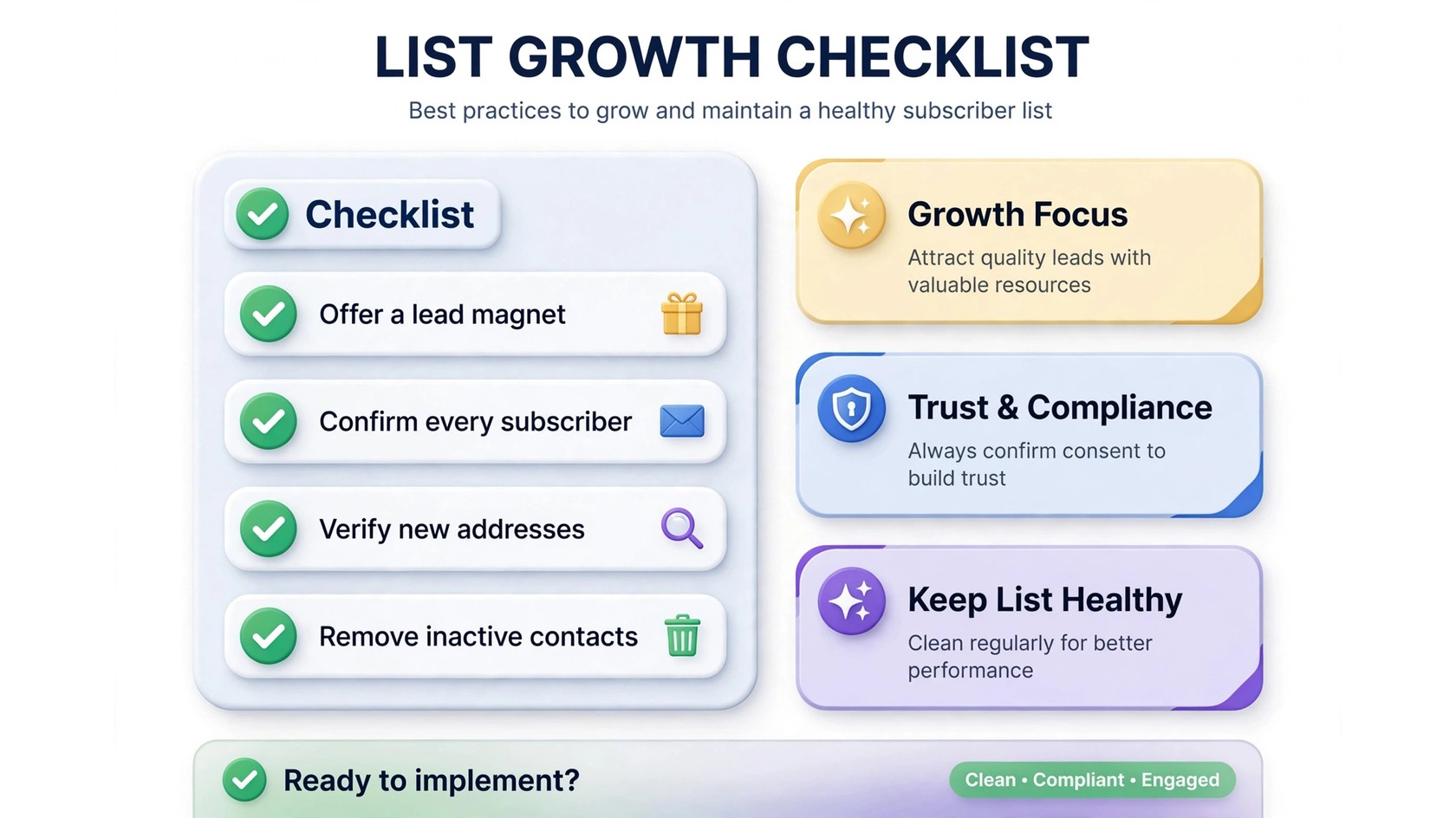
Learning how to build an email list from scratch comes down to a simple loop: attract the right people with something valuable, make subscribing effortless, confirm and verify every address, and keep the list clean as it grows. Do that consistently and your list becomes a genuine asset instead of a liability.
Ready to protect every new subscriber from day one? Try PureListVerifier and verify each address before it ever reaches your list. Or learn more about how it works and start your first clean campaign today.